
Singapore office REITs show strong H1 performance with high occupancy and rental growth
Singapore office REITs report strong H1 results with high occupancy and rental growth.
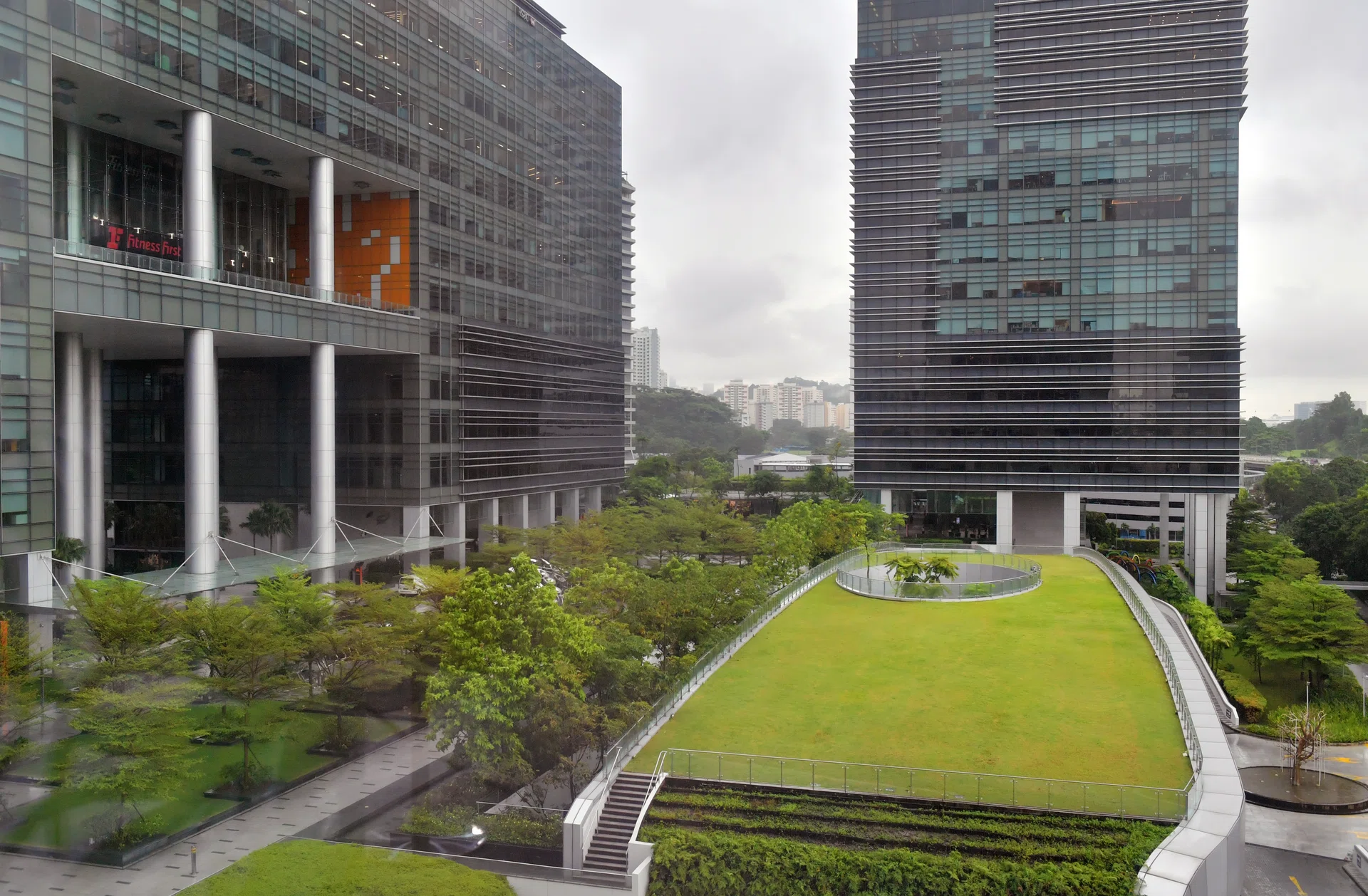
Singapore office real estate investment trusts (REITs) have delivered a robust performance in the first half of 2026, driven by strong occupancy rates and higher rental returns. The sector maintained resilience despite declining borrowing costs, with key players such as CapitaLand Integrated Commercial Trust (CICT), Keppel Reit, and CapitaLand Ascendas Reit reporting positive results. Overall committed occupancy among Singapore office assets reached 99.5 per cent, while rental reversion stood at 10.1 per cent. This performance was supported by tight central business district (CBD) supply, a flight to quality, and expansion by global artificial intelligence firms.
Occupancy and rental trends remain strong
Occupancy levels in the CBD remained high, with Knight Frank noting that overall CBD occupancy reached 95.3 per cent in the first half. This reflects the enduring appeal of the CBD for office tenants, even as some companies explore decentralised options to manage costs. Rents are projected to increase by 3 to 5 per cent in 2026 due to the tight CBD supply, with decentralised spaces capturing spillover demand from CBD occupiers seeking more affordable alternatives. The trend of renewal-led leasing continued, as occupiers weighed high capital expenditure costs against relocation.
Key REITs report strong growth and operational improvements
Keppel Reit, for example, reported a 13.1 per cent increase in net property income (NPI) to S$122.5 million, with distributable income (DI) from operations surging 25.2 per cent to S$119.6 million. This was driven by improved performance from existing assets, an acquisition, and a higher share of joint ventures. The REIT also recorded a portfolio-wide rental reversion of 12.8 per cent, with weighted average signing rents in the CBD reaching S$13.14 per square foot per month. Suntec Reit similarly demonstrated strong performance, with distributable income rising 25.5 per cent year on year to S$116.5 million, pushing DPU up 24.8 per cent.
OUE Reit reported a 28.6 per cent increase in DPU to 1.26 Singapore cents for H1 2026, driven by a jump in distributable income and stronger hospitality performance. The REIT also benefited from the acquisition of Salesforce Tower and lower interest expenses. Positive rental reversion stood at 4.7 per cent for office lease renewals in the second quarter of 2026. The manager noted that tightening office supply in the CBD gives OUE Reit a favourable window to rejuvenate its tenant portfolio, with planned repositioning for OUE Downtown.
Market dynamics expected to persist into 2027
Market dynamics for the second half of 2026 and into 2027 are expected to mirror those of the first half, with Knight Frank noting that the current trends are likely to continue. DBS Group Research highlighted that its preference remains on office and industrial REITs with positive rental reversions, strong balance sheets, and visible organic growth. This includes CICT, Keppel Reit, and CapitaLand Ascendas Reit. CICT is scheduled to announce its first half results on August 12. Mapletree Pan Asia Commercial Trust, which holds office assets mainly in the HarbourFront and Alexandra precincts, also reported resilience in its Singapore portfolio, with Mapletree Business City (MBC) recording a committed occupancy of 94.3 per cent and a positive rental reversion of 0.8 per cent.
Despite the strong performance, distribution per unit (DPU) for some REITs slipped 4 per cent year on year due to an enlarged unit base. However, the overall outlook remains positive, with continued demand for office space and the potential for further rental growth in the coming months.