
Smuggling scandal shakes Vietnam’s diamond market, trust eroded
Vietnam’s diamond trade faces crisis as smuggling ring busts shake consumer confidence
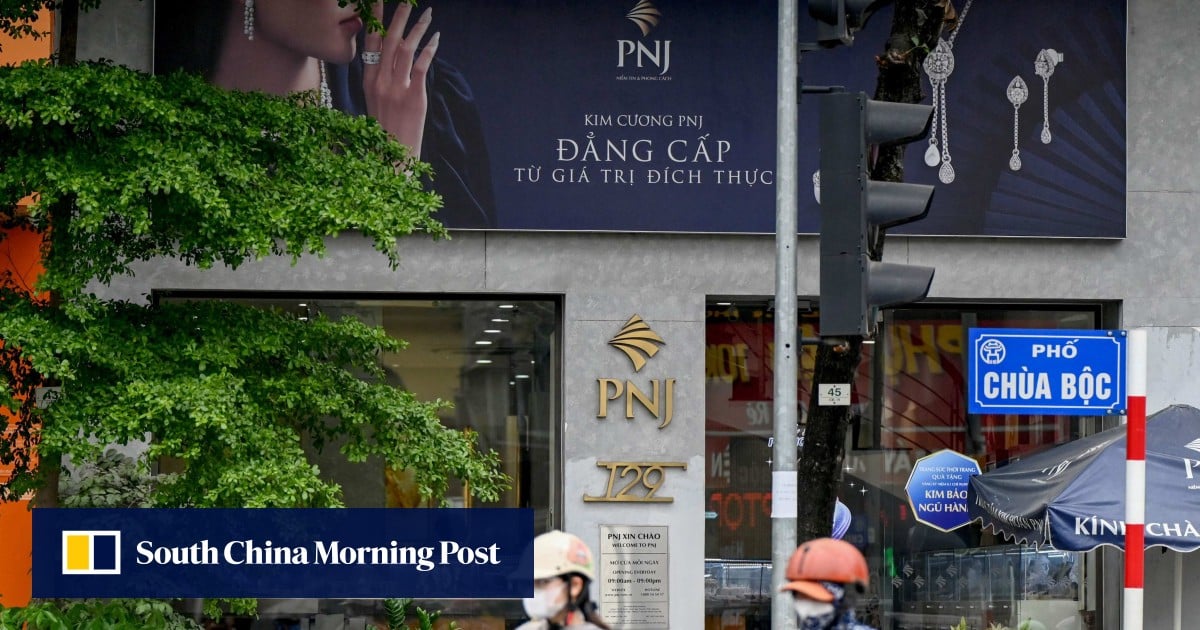
Vietnam’s diamond market is in turmoil after a major smuggling ring was uncovered, shaking consumer confidence and triggering a crisis for leading jewellery brands. The scandal, which has led to the arrest of dozens of industry figures, has left customers questioning the value of their purchases and retailers scrambling to restore trust. Nearly half of the market value of Phu Nhuan Jewellery (PNJ), Vietnam’s largest listed jeweller, has been wiped out, while authorities have intensified inspections of the jewellery sector. The fallout has also prompted calls for stricter regulation of the industry, which has been ensnared by the scandal.
Smuggling ring undermines trust in diamond trade
What began as a criminal investigation has now reverberated through Vietnam’s diamond trade, prompting calls for tougher regulation after it ensnared two of the country’s most well-known jewellery brands. Investigators allege that more than 30,000 stones worth over 1.5 trillion dong (US$57 million) were smuggled into the country over the past two years, hidden in luggage, shoes and clothing after being sourced in India and routed through Hong Kong. In gem-certification labs, diamonds were stripped of their original Gemological Institute of America laser inscriptions before being re-engraved and issued with reports that overstated their quality, allowing them to be sold at far higher prices.
Consumers are increasingly questioning whether the diamonds they bought are worth what they thought. In Ho Chi Minh City’s bustling jewellery quarter, the atmosphere has become unusually quiet. Thanh Hang, an online clothing shop owner who bought her diamond ring in the city, said she was “truly worried” about the value of her purchase. She sought a refund at the retailer, but found the branch was shut. The response she eventually received was not encouraging, with the company promising to settle the payment “next year.”
Industry calls for stronger oversight and transparency
Phu Nhuan Jewellery (PNJ) has limited daily payouts for buy-backs, saying the immediate priority is to preserve liquidity, maintain operations and protect the company’s long-term value. It also plans to hire international firms to assess its diamond inventory in a bid to bolster its credibility. Huynh Trung Khanh, vice-chairman of the Vietnam Gold Traders Association, said the government needed to implement a “proper regulatory framework for the diamond market.” An independent gem certification authority is needed to strengthen oversight and bring greater transparency and accountability to the market.
Smaller and less-established jewellery shops could face greater challenges in maintaining customer trust and liquidity. With customers more cautious, retailers would have to place a greater emphasis on authenticity, certification and product provenance, said Nguyen Thi Sony Tra My, a senior analyst at Maybank Investment Bank. Some Vietnamese are trying to eschew retailers altogether, posting their diamond rings on Facebook groups with a 30 per cent discount. But with would-be buyers pressuring them to offer 60 per cent, “I may just keep them,” said Thanh Dat, a real estate broker in Ho Chi Minh City.
Another major chain, Saigon Jewellery (SJC), came under pressure after police detained a further four people over a related smuggling ring that allegedly supplied more than 3,400 lower quality diamonds worth about 500 billion dong to its retail network between 2022 and 2024. SJC has not said anything publicly and did not respond to a request for comment. The scandal has also raised concerns about the broader implications of smuggling in Vietnam. Kenneth Scarratt, vice-president of the World Jewellery Confederation, warned that if people are smuggling diamonds, however large or small numbers, into Vietnam, the likelihood is they’re smuggling other stuff as well.