
Toyota’s Least-Loved Sedan Surpasses Expectations in 2026
Toyota’s Mirai sees unexpected sales growth, defying expectations in the hydrogen car market.
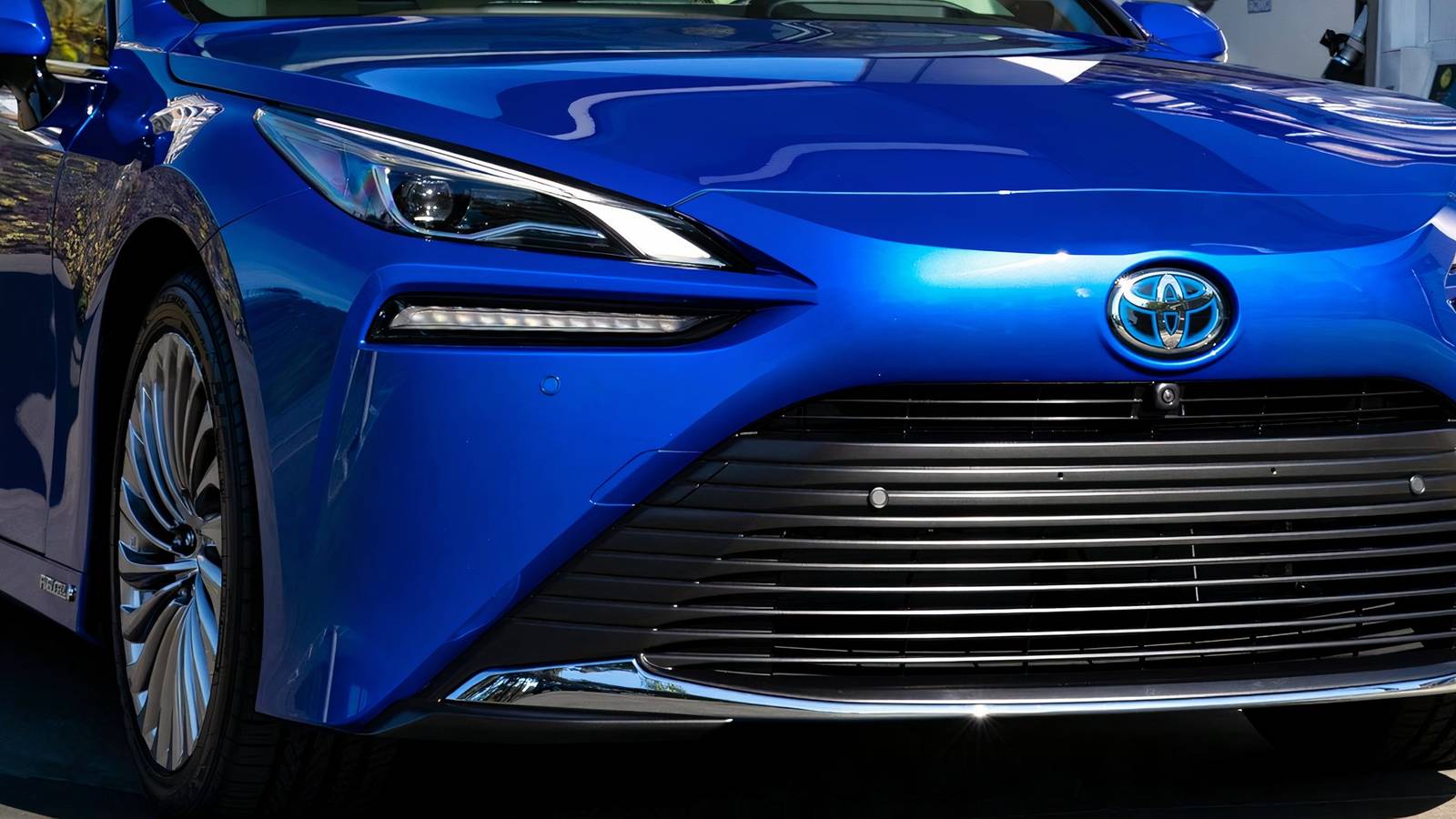
Toyota’s least-loved sedan, the Mirai, has defied expectations by doubling its sales in 2026, marking a surprising turnaround for the hydrogen-powered vehicle. Despite being a niche model, the Mirai has seen a 94.9% year-on-year increase in sales, with 152 units sold so far compared to 32 in the same period in 2025. This growth comes amid rising gas prices and a shift toward more cost-effective transportation options, even for the most unconventional models.
Hydrogen Cars Face Uncertain Future
While hydrogen fuel-cell electric vehicles (FCEVs) remain a small part of the market, the Mirai’s performance highlights the potential for niche models to find a dedicated audience. FCEV sales are estimated to be between zero and 226,114 units, with the Mirai likely closer to the lower end. However, its resurgence suggests that even the most experimental vehicles can attract buyers when economic conditions favor fuel efficiency and long-term savings.
Toyota’s Electrified Lineup Shows Mixed Results
Toyota’s broader electrification strategy has yielded mixed results. While the RAV4 PHEV has seen a 63.9% sales increase, other models like the Corolla Cross Hybrid have struggled, with sales down nearly 50% to just 10,000 units so far. The Prius Hybrid also faces a 54.8% decline, though the Prius PHEV has managed a modest 5.5% increase. These figures underscore the challenges of transitioning to hybrid and electric powertrains, even for a brand with a long history in the automotive industry.
Despite these challenges, Toyota’s electrified lineup continues to grow. Overall, electrified sales (including hybrids and EVs) are up 13.1%, though total sales have only increased by 1.3%. This discrepancy highlights the broader trend of consumers opting for more efficient vehicles, even if it means sacrificing traditional models in favor of newer, more sustainable alternatives. The Mirai’s success, however, stands out as a rare exception. Its ability to attract buyers despite its high price tag and limited practicality suggests that there is still a market for experimental technology, especially when economic pressures push consumers toward more cost-effective long-term solutions. As the automotive industry continues to evolve, the Mirai’s unexpected sales growth may serve as a reminder that even the most niche models can find their place in the market.
Toyota’s electrified models show a mixed performance, with some models seeing significant growth while others struggle. The Mirai’s success highlights the potential for niche models to find a dedicated audience, even in a market dominated by more mainstream hybrids and electric vehicles. The Mirai’s 94.9% sales increase in 2026 is a rare exception in Toyota’s electrified lineup. While other models like the Corolla Cross Hybrid have seen a sharp decline, the Mirai’s performance suggests that even the most unconventional vehicles can find a place in the market when economic and environmental factors align in their favor. As the automotive landscape continues to shift, the Mirai’s performance offers a glimpse into the evolving preferences of consumers. While hydrogen vehicles may still be a niche, the Mirai’s success shows that even the most unconventional models can find a place in the market, especially when economic and environmental factors align in their favor.
- Toyota Mirai sales up 94.9% in 2026.
- RAV4 PHEV sales up 63.9%, while Corolla Cross Hybrid down 50%.
- FCEV sales remain low, with Mirai likely near zero.