
Hong Kong retirees seek cost-saving strategies amid rising healthcare expenses
Hong Kong retirees face rising healthcare costs, exploring alternatives like mainland treatment and private insurance to manage expenses.
Medical inflation and rising costs
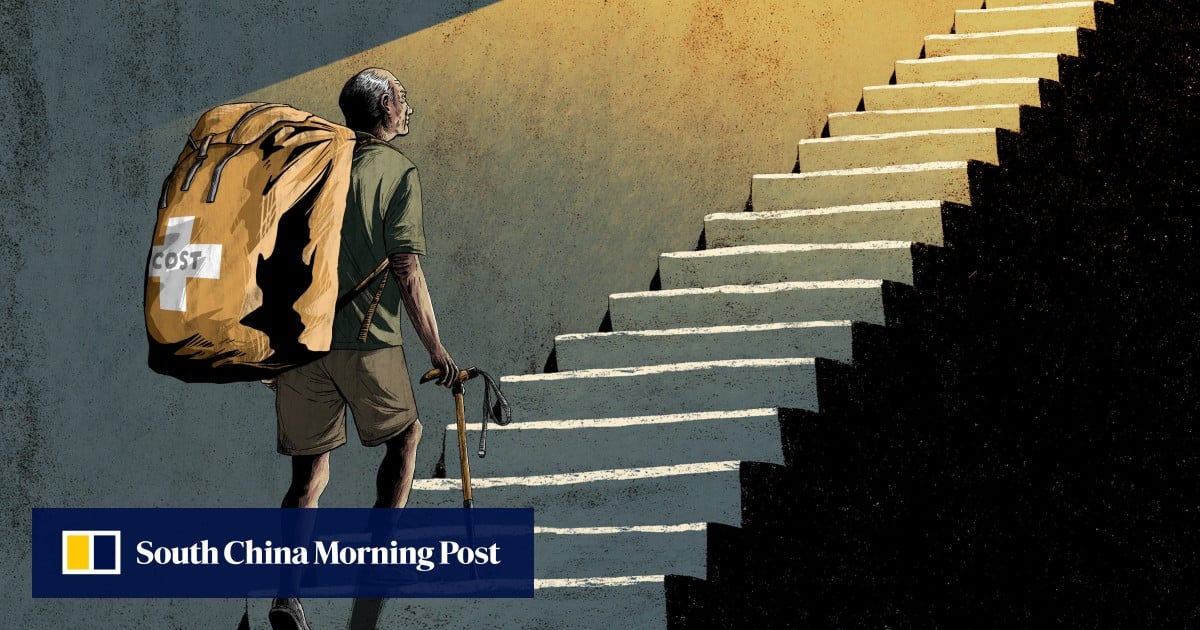
Hong Kong retirees are increasingly seeking ways to manage the financial burden of rising healthcare costs, as medical inflation has surged to levels far exceeding general inflation. According to the 2026 MMB Health Trends global survey, medical inflation in Hong Kong is expected to hit 10.5 per cent this year, more than six times higher than the general inflation rate of 1.7 per cent. This sharp increase has left many retirees, like 75-year-old Philip Kong, questioning the sustainability of the city’s healthcare system. Kong, a businessman who has lived and worked in Hong Kong all his life, discovered that receiving treatment for his prostate condition in Shenzhen could potentially cut his medical bill by nearly 90 per cent. Despite the significant savings, he opted for a more expensive “deluxe” package at a Hong Kong hospital, highlighting the complex trade-offs retirees face.
Early intervention and cost savings Tim Pang Hung-cheong, a patients’ rights advocate with the Society for Community Organisation, observed that public attitudes towards preventive health were shifting. Some Hongkongers are navigating higher medical costs by taking advantage of the government’s primary healthcare reform in recent years. Pang noted that some low-income residents had started going to community pharmacies for free consultations instead of paying to visit general practitioners, and others were taking advantage of free workout classes at district health centres. “But if you tell them early intervention saves money, and you can save HK$300 to HK$400 to see a pharmacist instead of a doctor, some residents will do so,” he said.
Medical tourism and cross-border solutions
The rise in medical tourism to the Greater Bay Area has also become a notable trend. Clement Chan Wai-kit, chairman of the Cancer Patient Alliance, noted that a decade ago, many Hongkongers would have been wary of mainland medical services due to media coverage of blunders. But now, Hong Kong patient groups are organising regular weekly trips to reputable medical institutions in the bay area to help residents familiarise themselves with the mainland system and access treatment. Chan said prices on the mainland were better for cancer patients needing expensive and innovative treatments and medications – such as targeted therapy – thanks to a tough enlistment regime and bulk purchasing power. He estimated that prices could be a third or a quarter of medical fees back home, potentially leading to monthly savings of hundreds of thousands of Hong Kong dollars.
Financial planning and informed choices
For PolyU academic Peter Yuen, who studied medical inflation in the city for years, the advice for ordinary residents battling rising costs was to carry out financial and retirement planning early. Whether it was to mitigate risks and unpredictability through insurance schemes and rainy-day savings, or to save costs through cross-border consumptions, Yuen believed an early education in financial literacy was key. “It often saves downstream costs by planning early, such as lower insurance premium or saving the hospitalisation cost by preventing a more severe illness,” Yuen said. “In the end, it’s about making informed choices based on a clear analysis of cost and benefits that suit the individual.” —