
Hungary shuts down nuclear plant amid climate crisis, Greece battles wildfires
Hungary closes nuclear plant as climate crisis intensifies, Greece faces wildfires and energy challenges
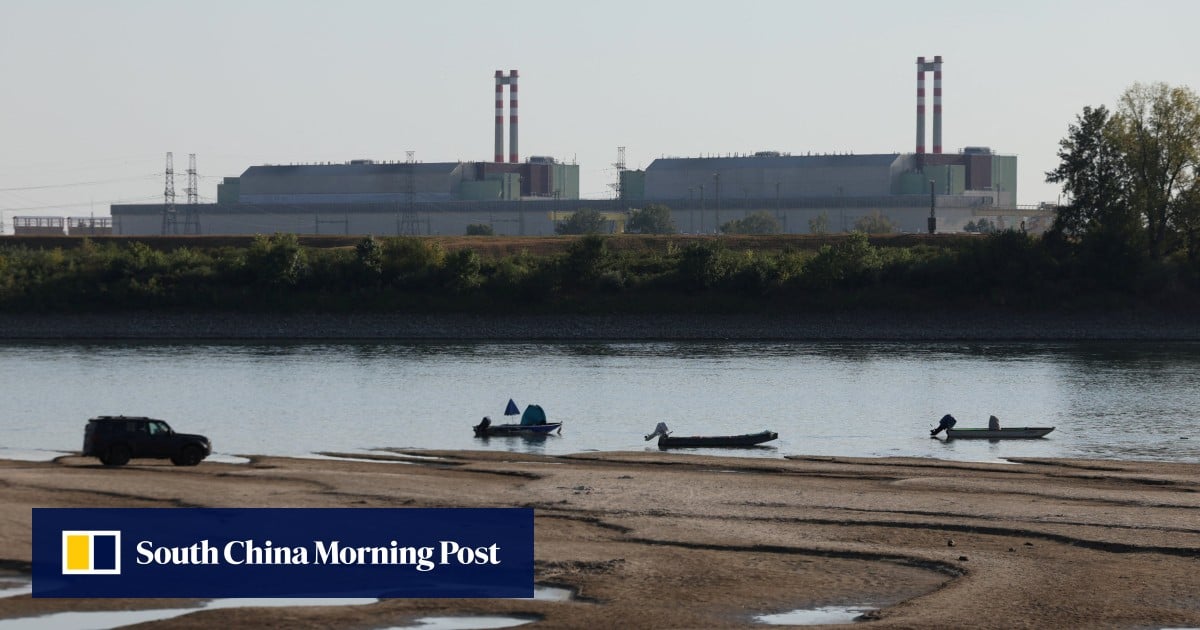
Climate crisis forces Hungary to shut nuclear plant
Hungary has fully shut down its sole nuclear power plant for the first time in its 44-year history, a decision driven by record low levels of the Danube River. The Paks plant, which accounts for 40% of the country’s electricity generation, is operating at just over a tenth of its 2,000 megawatt capacity. Prime Minister Péter Magyar cited the progressively lower water levels, which are causing a shortage of water for cooling at the facility. This move has strained energy supplies and poses a major test for the economy and the new government. The decision comes as central Europe faces a sustained drought, with neighboring Romania also reducing output at its nuclear plant and issuing a state of alert in the energy sector.
Energy shortages are forcing Hungary to implement emergency measures, including boosting power imports and asking large industrial companies to voluntarily cut consumption. The government has also ordered a halt to the watering of grass and stadium pitches to conserve water. In an effort to manage the crisis, Budapest has ordered trams and undergrounds to go slower to conserve electricity. These measures are part of a new crisis plan that prioritises electricity cuts at firms and limits household usage only as a last resort.
Greece faces escalating wildfires amid extreme weather
Greece is grappling with a surge in wildfires, with over 6,500 hectares burned in separate fires on the Gulf of Corinth, including the coastal village of Porto Germeno. The National Observatory’s climate tracker, meteo.gr, reported that the fires have devastated swathes of forest and agricultural land. The prime minister, Kyriakos Mitsotakis, warned of “extremely difficult” days ahead, citing “extreme weather conditions and winds” that often reach 100 km (62 miles) per hour. “When the winds blow with such force, even the dozens of aircraft we have at our disposal cannot operate safely,” he wrote on Facebook.
Firefighters are struggling to contain the blazes under extreme conditions, with nearly 500 battling blazes around Porto Germeno, 70 km from Athens. Some 100 firefighters are also fighting another blaze in Aigialia in the northern Peloponnese, while a new fire broke out late on Saturday on the Ionian Sea island of Cephalonia. The fires have forced the evacuation of Porto Germeno and other villages, with local authorities reporting that scores of homes were damaged or destroyed.
The intensity of the wildfires has pushed Greece’s fire department to its limits, with Civil Protection Minister Evangelos Tournas stating that the department has been “pushed to its limits.” Firefighters have faced dozens of fires daily, and three have died in the line of duty this week, two in Crete and one in the Peloponnese peninsula. Gale-force winds have created “extremely difficult conditions,” making it nearly impossible for aircraft to draw water or carry out drops due to extreme turbulence.
Additional fires have affected other regions, including the islands of Crete and Paros, with over 6,000 hectares burned. Experts warn that the fires could be classified as megafires, with some estimates suggesting the area affected around Porto Germeno could be over 10,000 hectares – almost double the original estimate. Theodore Giannaros, a wildfire meteorologist, wrote on Facebook that it is “highly likely (if not almost certain) that this particular wildfire will be classified as a megafire.” The situation is exacerbated by the fact that Greece is hit hard by the climate crisis, with wildfires a recurring summer threat due to high temperatures, frequent heatwaves, and drought. Both countries are facing unprecedented challenges as climate change intensifies, with Hungary’s new government and Greece’s emergency services under pressure to adapt to extreme weather conditions. The events highlight the urgent need for long-term strategies to address the increasing frequency and severity of climate-related crises.