
International hotel chains expand into China’s midscale market to attract value-driven travelers
International hotel chains target China’s budget-conscious travelers with new midscale offerings.
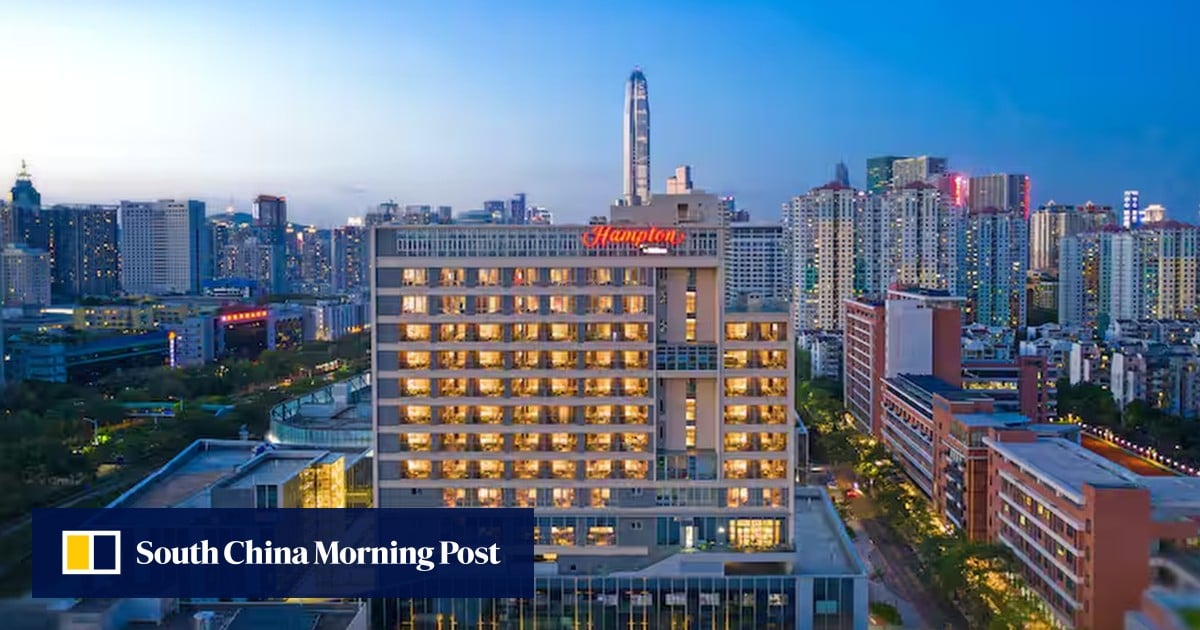
International hotel chains are increasingly targeting China’s value-driven travelers by expanding into the midscale and upper-midscale segments, a move that reflects shifting consumer preferences and the need to remain competitive in a challenging market. As domestic spending remains under pressure due to a prolonged property downturn and a sluggish job market, travelers are seeking affordable yet reliable options that balance quality with cost. This trend is evident in the recent launches and partnerships of global hotel brands, which are now offering more accessible options to appeal to a broader audience, including young professionals and first-time travelers.
Shift in consumer behavior drives new market strategies
According to Zhou Mingqi, founder of tourism consultancy Jingjian Consulting, international hotel groups are betting on the more affordable end of the market without diluting their brand positioning. This strategy is aimed at capturing price-conscious consumers who are increasingly prioritizing value for money, reliable quality, and local experiences. The shift is part of a broader trend in China’s hospitality sector, where travelers are no longer willing to pay premium prices for the same level of service and comfort.
One such example is Ryan Liu, a 24-year-old fresh graduate who recently received his first paycheck after starting his first job in June. He decided to mark the milestone with a weekend getaway, choosing a Hampton by Hilton hotel in Shenzhen for about 600 yuan (US$89) a night. The room, with a small balcony overlooking Shenzhen Bay and Hong Kong across the water, offered a balance of affordability and quality that surprised Liu, who had assumed international hotel brands were beyond his budget. “I didn’t know Hilton could be this affordable,” he said, adding that he would consider similar hotels in the future for their balance between affordability and quality.
Global brands enter midscale segment with new brands and partnerships
In response to this demand, several international hotel chains have launched or expanded their presence in the midscale segment. Hilton announced in July that its Tempo by Hilton brand, launched in 2020 as an “approachable lifestyle brand,” would make its mainland China debut after signing deals in cities including Xiamen, Beijing, Chengdu, and Jiaxing. The hotel group also plans to double its “lifestyle presence” in China with other brands such as Canopy, Curio Collection, Tapestry Collection, and Motto.
Marriott, too, has introduced its Series by Marriott brand in China in late June, focusing on converting existing hotels and integrating them into Marriott’s operating and loyalty systems. The company said its latest move is in response to changing consumer preferences, with China travelers increasingly seeking “value for money, reliable quality and local experiences.” Hyatt, meanwhile, signed a partnership agreement with Chinese hotel group Dossen in May to develop its Select brand in China, targeting the mid-to-upscale segment. IHG also announced the opening of its first Garner hotel in China in Beijing in March, at rates of about 500-700 yuan a night.
Despite these efforts, Zhou warned that competition from domestic players adds uncertainties as global chains expand beyond the traditional upscale segment. Brands such as Atour and H World have developed extensive local networks, strong membership bases, and efficient operating models, making them highly competitive in this segment. “International brands have traditionally benefited from their brand premium,” Zhou said, “but that advantage becomes less pronounced as they move into the midscale and upper-midscale segments, where local players have already built strong consumer loyalty and operational advantages.” As the hospitality market in China continues to evolve, the competition between international and domestic brands is intensifying. While global chains are adapting to meet the needs of price-conscious travelers, they must also navigate the growing influence of local players who have already established a strong foothold in the midscale segment. This dynamic is shaping the future of travel in China, where affordability and brand recognition are becoming increasingly intertwined.