
Saudi Arabia seeks diplomatic path to curb Houthi attacks
Saudi Arabia seeks diplomatic path to curb Houthi attacks amid rising tensions.
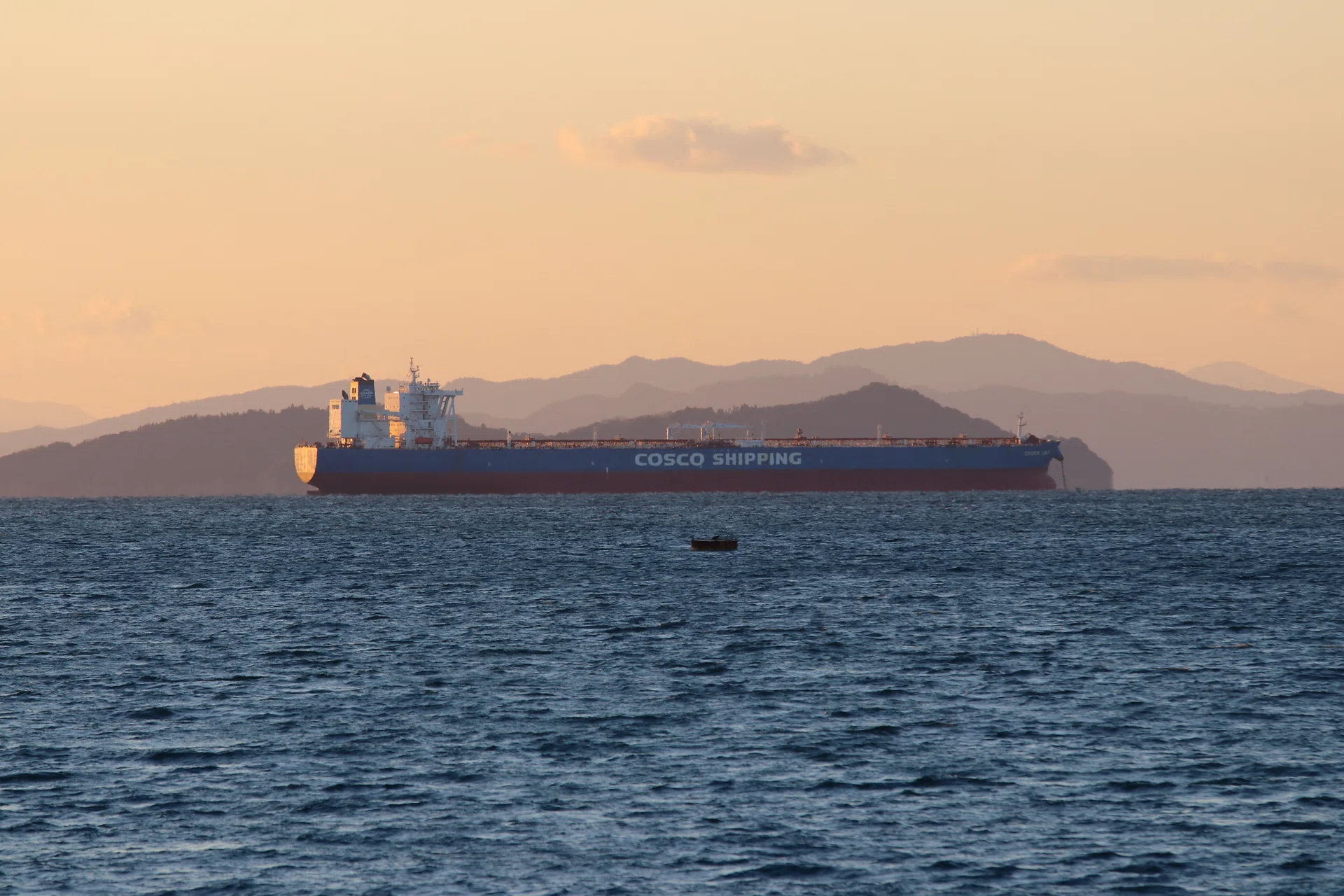
Saudi Arabia is pursuing diplomatic channels to contain a surge in attacks by Houthi militants, aiming to prevent further escalation while safeguarding regional stability. The kingdom has engaged in behind-the-scenes talks with the Yemen-based group, mediated by Oman, and is preparing military options as a contingency should diplomacy fail. Recent airstrikes on Houthi positions in late July were limited, reflecting Riyadh’s preference for a diplomatic resolution over renewed conflict. The Houthi group, which controls most of Yemen and holds the crucial Red Sea port of Hodeida, has intensified attacks on Saudi petroleum facilities, including refineries, in recent months. These strikes have raised concerns about the impact on Saudi oil exports and the broader energy market.
Escalation and regional implications
The Houthi attacks have intensified since late 2023, coinciding with the Israel-Hamas conflict in Gaza. The group has justified its actions as solidarity with Palestinians, but analysts note that Yemenis are less supportive of a military campaign for Iran than for the Palestinians. The Houthi threat has also extended beyond Yemen, with Iran-backed militias in Iraq firing projectiles at Saudi infrastructure. Washington has expressed concerns that worsening Saudi-Houthi hostilities could disrupt global shipping and energy markets, potentially closing key chokepoints like the Bab el-Mandeb Strait. The Saudi economy, already weakened by the Iran war, saw a 4.8% annual decline in the second quarter of 2026, its worst performance since the pandemic.
Strategic balancing act
Saudi Arabia faces a delicate balancing act between containing the Houthi threat and avoiding deeper entanglement in regional conflicts. Crown Prince Mohammed bin Salman has sought to respond to attacks without escalating into broader military operations. A US State Department spokesperson confirmed Washington’s support for Saudi Arabia but declined to comment on private diplomatic discussions. The kingdom’s strategy includes both military deterrence and diplomatic engagement, with the goal of protecting its Red Sea ports and maintaining stability. Analysts note that the Houthi group, part of Iran’s Axis of Resistance, has increasingly framed its actions as a response to a “siege” on Yemen, citing Saudi restrictions on ports and airports.
The Houthi group’s actions are part of a broader regional strategy aligned with Iran, with attacks on Saudi infrastructure seen as a means to pressure the kingdom economically and politically. The group’s July 20 announcement to blockade Saudi ports effectively made good on Iran’s longtime threat to expand the war to trade routes beyond the Persian Gulf. Five days later, the Houthis fired missiles and drones at oil giant Saudi Aramco’s facilities in the Red Sea port towns of Jizan and Yanbu. The Saudi government has emphasized that it will only resume broader military operations in response to “unjustifiable attacks” such as strikes on critical infrastructure. The ongoing conflict highlights the complex interplay between regional alliances, economic interests, and security concerns, with the Red Sea remaining a focal point of international attention.
- Saudi Arabia seeks diplomatic resolution with Houthi militants
- Houthi attacks on Saudi oil facilities raise economic concerns
- Washington expresses concerns over regional instability