
Seoul nightlife adapts as young people shift focus from drinking to music and culture
Seoul nightlife evolves as young people prioritize music and culture over drinking, reshaping nightlife venues.
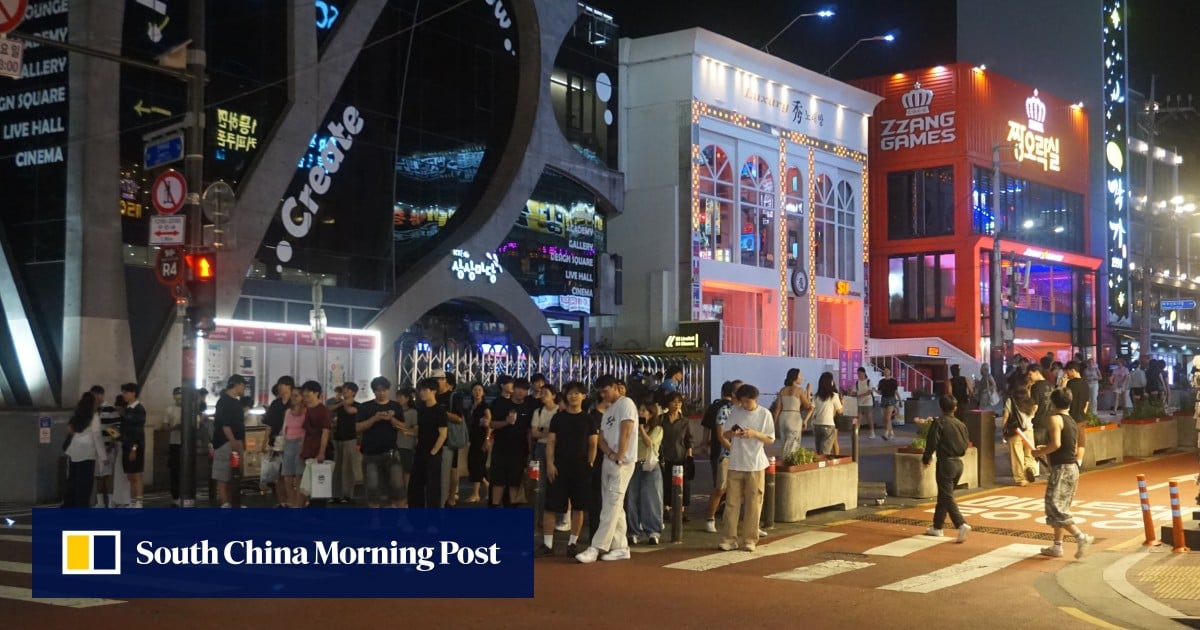
Seoul nightlife adapts to changing social habits
In Seoul, the nightlife scene is undergoing a significant transformation as young people increasingly prioritize music and cultural experiences over traditional drinking culture. This shift is evident in areas like Hongdae, where once-packed clubs now see fewer patrons, and venues are rethinking their approach to attract a new generation of nightlife enthusiasts. The change is not just a trend but a reflection of broader societal shifts in how young South Koreans engage with social life.
Chris Kim, a 27-year-old in the fashion industry, recalls a time when clubbing was a regular part of social life, often marked by loud music, frequent fights, and the constant presence of police cars. “In the past, the whole point of getting together was often to drink until you got drunk,” he said. But today, the focus has shifted. “Drinking isn’t the main reason for meeting up any more,” Kim noted, pointing to a discernible decline in young drinkers in Hongdae.
The national trend supports this observation. In the first quarter of this year, household spending on alcohol in South Korea fell by 9 per cent compared to the same period a year earlier, marking the largest drop since 2019. Young South Koreans, in particular, are consuming less alcohol, with 56 per cent of those in their twenties either abstaining from alcohol or drinking less than once a month, according to data from the Korea Disease Control and Prevention Agency.
Changing social dynamics reshape nightlife venues
As alcohol consumption declines, Seoul’s nightlife has adapted to reflect these changing lifestyles. Clubs and bars are now focusing more on music, curated events, and cultural experiences rather than just the act of drinking. This shift is evident in venues like Itaewon, a neighborhood known for its diversity and international atmosphere, and Soap Seoul, a club that has redefined its approach to attract a new audience.
“The younger generation is investing their time and money into nightlife as a way to explore and express their own tastes rather than using it to get drunk or escape from everyday life,” said Yann Cavaille, creative director at Soap Seoul. This change has forced venues to rethink their marketing strategies and event offerings. “It just means that we have to be marketing our events that much more,” Cavaille said, recalling a time when bringing in a well-known artist was enough to guarantee a crowd. To stay relevant, clubs are now incorporating digital innovations, such as 3D graphics in Instagram ads, and creating pop-up events with brands like Samsung and Nike. These efforts aim to attract a broader audience and enhance the overall experience. “We wanted to upgrade the experience and bring people that normally wouldn’t go clubbing,” Cavaille explained.
From bars to clubs: a new era in Seoul nightlife
One example of this transformation is Bolero, an underground club that has evolved from a restaurant into a music-driven space. Owner Son Ki-jeong has transformed the venue into a hub for curated events featuring globally renowned DJs and local artists. “If people used to go to clubs less for the music and more to meet new people, drink and enjoy a flashy night out, people today pay attention to the kind of music being played and choose venues with DJs who really understand that genre,” Son said.
Bolero now hosts 500 to 700 visitors on average on weekends, a testament to the success of this new approach. The club’s modest DJ booth, illuminated by faint neon lighting, reflects the shift towards a more refined and intentional nightlife experience. “I see this as a positive and healthy change,” Son said. “Consumers are starting to understand what they genuinely enjoy and choose spaces that match their own interests and preferences.”
As Seoul’s nightlife continues to evolve, it is clear that the focus is no longer solely on drinking but on creating meaningful and culturally rich experiences. This transformation is not just a response to changing consumer habits but a reflection of a broader cultural shift in how young South Koreans engage with social life.