
Jodrell Bank Observatory faces closure as UK government slashes funding
Over 100 artists, writers and scientists urge UK government to save Jodrell Bank Observatory amid funding cuts.
Scientists and artists call for urgent action to save Jodrell Bank Observatory
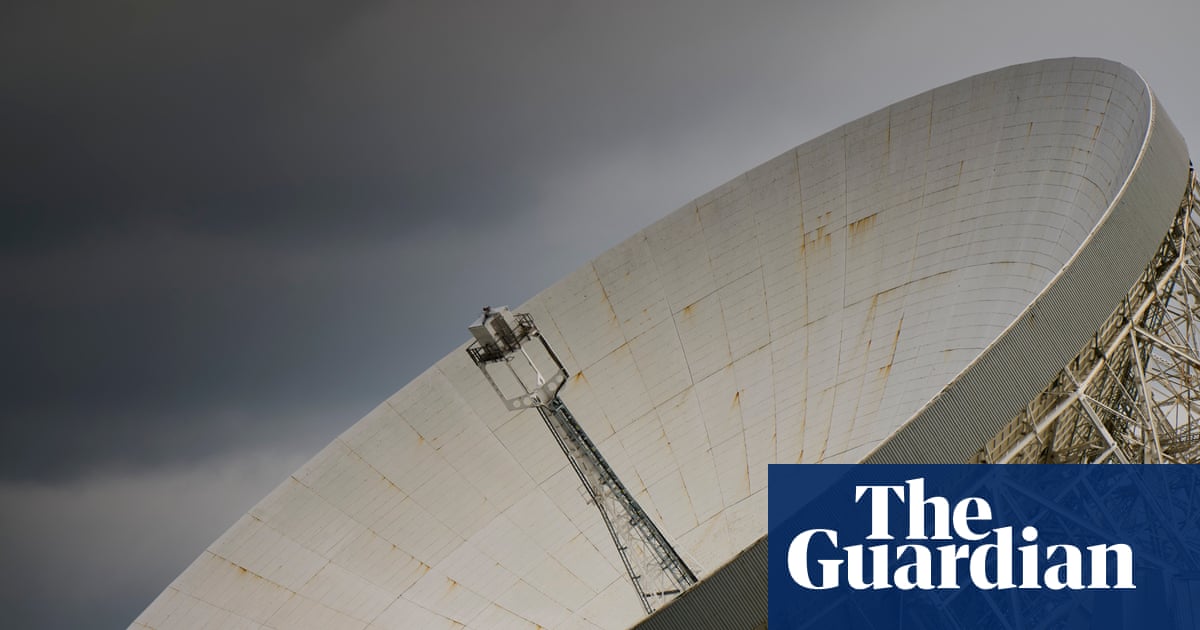
More than 100 artists, writers and scientists have urged the UK government to save the Jodrell Bank Observatory, citing “foolish and shortsighted” funding cuts that threaten the world’s clearest eyes on the sky. The observatory, home to the Grade I-listed Lovell telescope, is at the heart of global scientific efforts to map the first billion years of the universe. The call for intervention comes as the Science and Technology Facilities Council (STFC) faces pressure to make substantial savings due to rising costs and financial constraints.
The Lovell telescope, which tracked the Sputnik launch in 1957, is central to the observatory’s operations. However, funding for the e-Merlin network, the UK’s national radio astronomy facility at Jodrell Bank, is set to be withdrawn by UK Research and Innovation (UKRI) when the current agreement ends in March 2028. The decision threatens 28 jobs at the observatory and could affect nearly 3,000 researchers. Further cuts to dozens of facilities and projects are expected to result in about 800 job losses across the scientific community.
UKRI and STFC defend funding decisions with prioritisation rationale
A spokesperson for the STFC stated that the body had “undertaken a rigorous prioritisation process to focus investment on the areas that will deliver the greatest long-term scientific capability, impact and value for the UK.” The UKRI, which has an annual budget of nearly £10bn, is also facing challenges due to cost overruns, soaring electricity and staff costs, and high foreign exchange rates for international collaborations. Despite these justifications, critics argue that the cuts risk long-term scientific progress and the UK’s role in global research.
The move threatens 28 jobs at the observatory and will affect nearly 3,000 researchers who work within the facility. The letter to the government highlights the importance of Jodrell Bank as a beacon of science and a Unesco world heritage site. It argues that closing the observatory would undermine the UK’s leadership in scientific exploration and global safety, including tracking space debris and solar flares. Notable signatories include the band New Order, poet laureate Simon Armitage, and Canadian astronaut Chris Hadfield. They warn that the decision risks diminishing the UK’s scientific reputation and national pride. The observatory hosts the new headquarters of the Square Kilometre Array Observatory (SKAO), a global project with sister telescopes in South Africa and Western Australia. The letter to the government urges immediate action to ensure the observatory’s services continue without interruption, preserving its legacy as a vital hub for scientific discovery and national pride.